Why hot water turns hot and cold during use
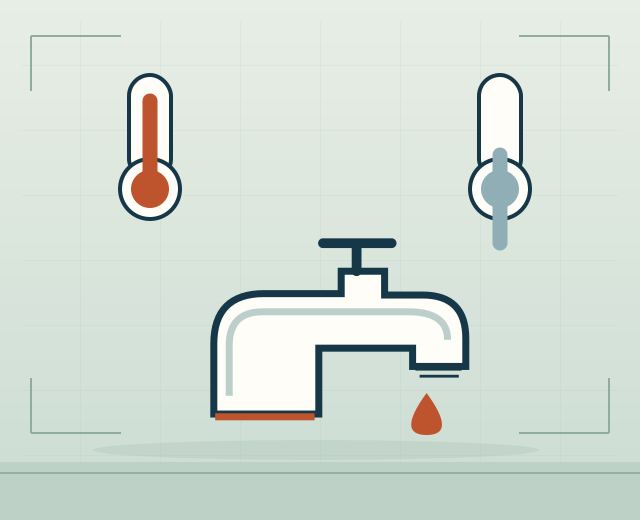
A short wait for hot water to travel to the tap is normal; repeated temperature swings after it arrives are a different issue. Changing demand at other outlets can alter flow, while a boiler or mixing fault can interrupt steady temperature control. A shower-only problem needs a different investigation from fluctuations at every hot tap. Comparing those patterns is more useful than assuming the boiler must be replaced.
Separate outlet faults from boiler faults
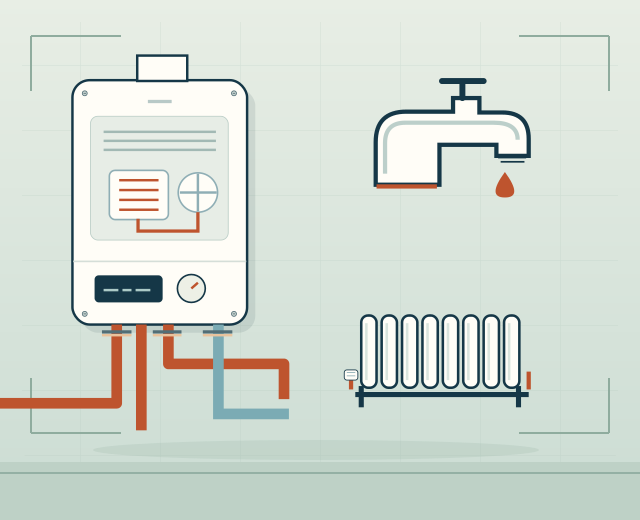
If every hot tap behaves similarly, the shared hot-water supply needs consideration. If only a shower fluctuates while other taps remain steady, its local controls or mixing may be relevant. Boiler type matters too: stored-water systems and combis respond differently to changing demand.
Assessing fluctuating hot water faults
The investigation may involve water flow, temperature sensing or heat transfer, depending on the appliance and observed behaviour. A restricted heat exchanger is one possibility, not a conclusion to draw from changing temperatures alone. The repair should follow findings that account for the actual pattern.
Prepare for a hot water repair assessment
Record the duration, outlets involved and any displayed message, plus the make and model. Do not deliberately expose yourself to unexpectedly hot water to demonstrate the fault. Ask whether an assessment covers the boiler only or also the affected outlet, and what happens if the source lies elsewhere.
REPAIR QUESTIONS
Unsteady hot water questions
Does a fluctuating shower always indicate a boiler fault?
No. If taps remain steady while the shower fluctuates, mention the shower's make and model if known. The visit may need to cover the shower rather than just the boiler.
Why does the problem change when another tap is used?
Opening another tap changes the demand on the water supply. Note whether this is a new change or has always happened; that helps distinguish a recent fault from an existing limitation.
Could inconsistent hot water have more than one cause?
Yes, and two issues can coexist. If one outlet behaves differently from the others, record both patterns rather than assuming one repair will explain everything.