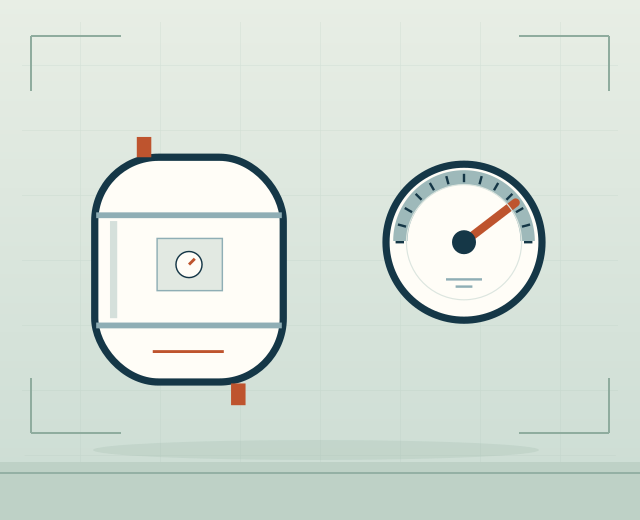
What recurring boiler pressure loss means
A sealed heating system that repeatedly loses pressure needs the reason established. Water may be escaping through a leak or discharge route, even when there is no puddle beside the boiler. A one-off change after maintenance is different from a daily or weekly drop. Restoring the reading may allow operation temporarily, but a recurring loss still needs a repair assessment.
Potential sources of pressure loss
Water loss can involve the appliance, connected heating pipework or discharge outside the property. A lack of visible water indoors does not rule out a problem. Describe any damp areas or dripping you have already noticed, but leave concealed and internal inspection to the repairer.
Why repeated topping up is not a lasting repair
Repeated topping up can restore a reading without explaining why it fell. Use the appliance's own instructions for any ordinary user operation and seek advice if the loss keeps returning. Manufacturer guidance for recurrent pressure loss recommends getting help to establish the cause.
What determines a pressure-loss repair
The work depends on where the problem is found and how accessible it is. A repair to an exposed connection differs from work inside the boiler or under a floor. Provide the boiler details and your record of changes, and ask what investigation and any follow-up work the proposed price covers.
REPAIR QUESTIONS
Falling pressure questions
Can my boiler lose pressure without visible water?
Yes. No puddle does not rule out water loss. If you have already noticed an outdoor drip, mention its location without touching or blocking the pipe.
Why might pressure fall after the heating cools?
Water contracts as it cools, so some fall is expected. Compare readings taken under similar cool conditions; a continuing drop below the model's guidance needs assessment.
What information helps if the pressure drop is intermittent?
A dated cool-system reading and the interval before the next drop are useful. Record top-ups too, so a temporary rise after filling is not mistaken for the fault resolving.