Why all radiators or just one room can lose heat
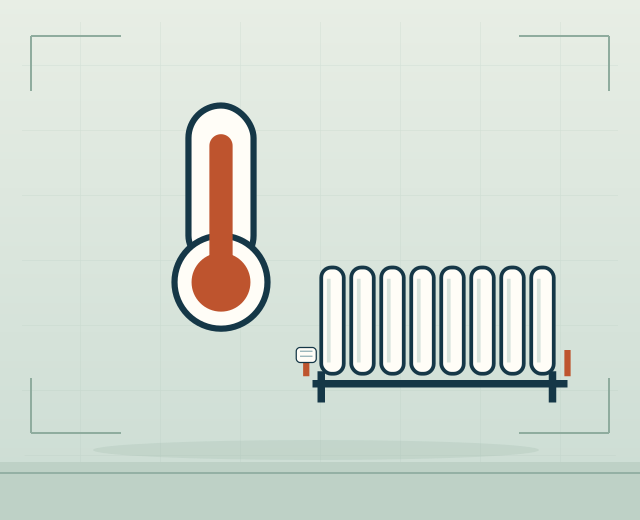
If every radiator is cold, a shared control, boiler or circulation fault is possible. If other rooms heat normally, the problem is more likely to lie in the affected radiator, zone or pipework. Working hot water shows that some heat production remains available, but does not prove that the heating controls or circuit are working. This distinction helps avoid replacing boiler parts for a local heating problem.
Faults that stop heat reaching radiators
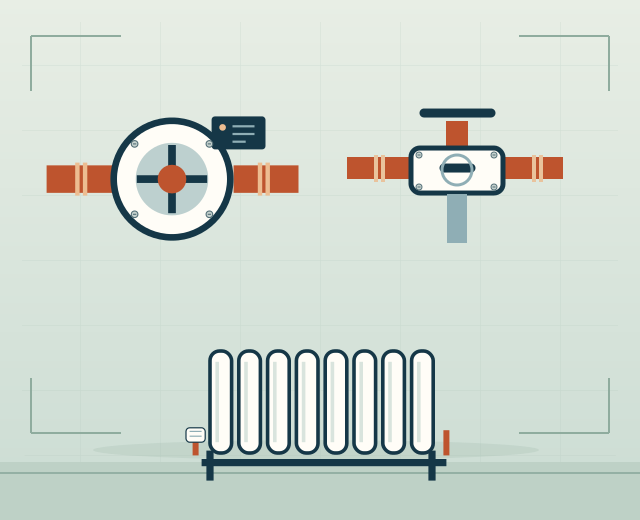
Heating depends on a demand from the controls, heat from the appliance and circulation through the relevant circuit. A thermostat problem, pump fault or valve issue may interrupt different parts of that chain. These are possible investigation areas, not parts to order based solely on cold radiators.
What a no-heating repair assessment covers
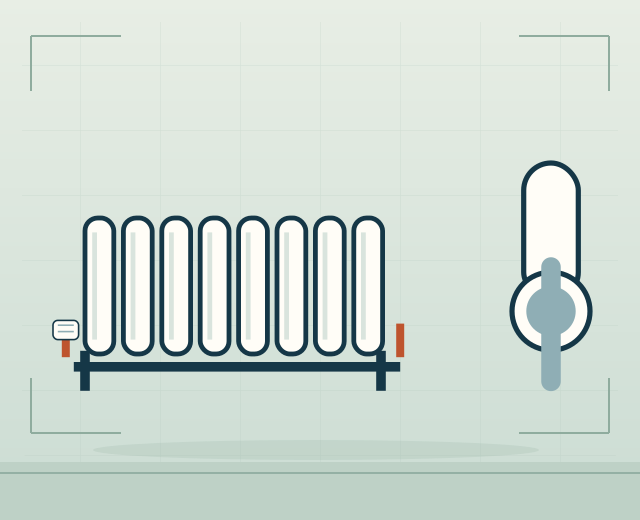
An assessment needs to establish whether heat is being requested, generated and delivered. The right scope depends on the system arrangement and which areas are affected. A clear finding should explain the proposed repair and any associated work, rather than simply listing replacement components.
Prepare your heating repair enquiry
Provide your postcode, model and a brief account of when heating stopped. Mention any recent control change, error message or earlier repair. Explain the effect on occupants, particularly if they have additional needs. Ask what assessment costs and whether parts and a return visit are included in any later quotation.
REPAIR QUESTIONS
No heating questions
Can the boiler be faulty if hot water still works?
Yes. Working hot water does not rule out a boiler fault affecting heating. Tell the repairer that hot water remains available so the assessment includes the heating demand and circuit.
Is one cold radiator a boiler repair issue?
Not usually a whole-boiler issue if other radiators heat normally. Start with a heating-system repair enquiry and identify the room rather than requesting a particular boiler component.
What if heating works only at certain times?
First compare those times with the normal heating schedule using the user instructions. If operation does not match, keep a note of expected and actual times for the repairer.