What a blank display or failed start can mean
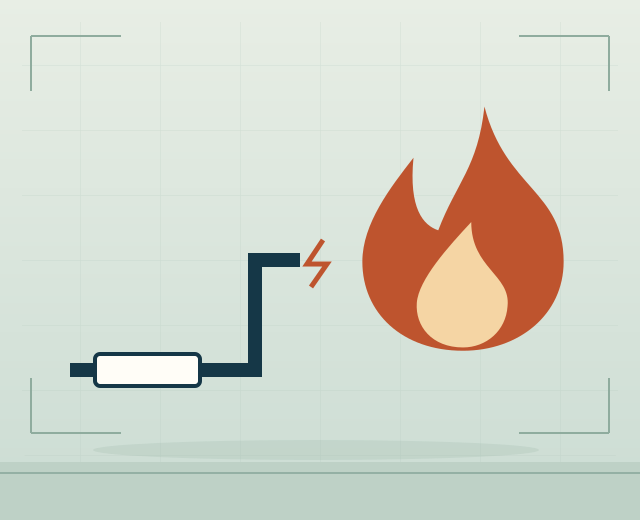
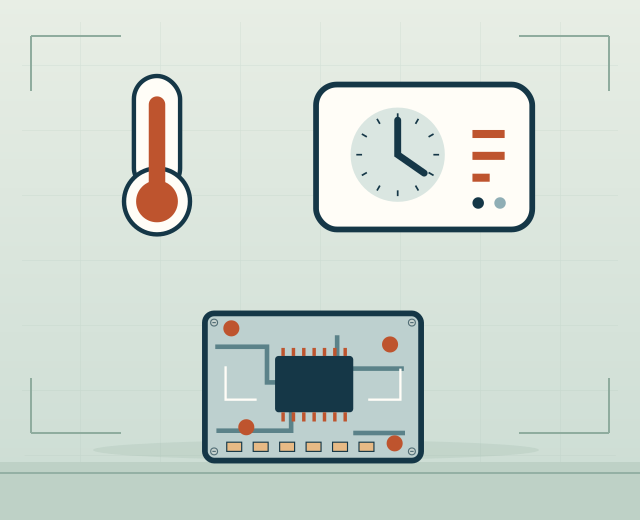
A blank display can involve the electrical supply or appliance electronics; it does not prove a failed circuit board. A lit display with no response may mean heating demand is not reaching the boiler. An attempted start followed by a warning means the sequence has been interrupted. These patterns call for different checks by the repairer, without opening the boiler or repeatedly resetting it yourself.
Possible causes of a boiler failing to start
The cause may involve controls, electrical supply, ignition or a protective interlock. An ignition message does not automatically mean an electrode has failed, and a blank display does not prove a faulty circuit board. The model and the sequence help the repairer decide which area needs assessment.
What a starting-fault assessment should establish
The aim is to find where normal operation is interrupted and why. Leave internal inspection and testing to someone competent for the appliance and fuel. Do not repeatedly reset a lockout or defeat an interlock. Ask for a clear explanation of findings before agreeing to a component replacement.
Prepare the details for a boiler starting repair
Record the message, when the problem began and any recent work or supply interruption you know about. If you already have a diagnosis, share its exact wording. Clarify assessment charges and how a parts quotation will be confirmed if the initial symptom description does not identify the fault.
REPAIR QUESTIONS
Starting failure questions
Does a blank display mean the circuit board has failed?
No. A supply or connection problem can also leave it blank. A board replacement should follow a diagnosis, not a quotation based only on the display being off.
Is a lockout code a confirmed diagnosis?
No. Lockout indicates that operation has been stopped, but may not identify why. Record the code before it disappears and avoid repeated resets to reproduce it.
What if the boiler tries to start but never fires?
Arrange a starting-fault assessment and describe whether it clicks, runs briefly or shows a warning. Do not open the casing to see whether an internal flame appears.